
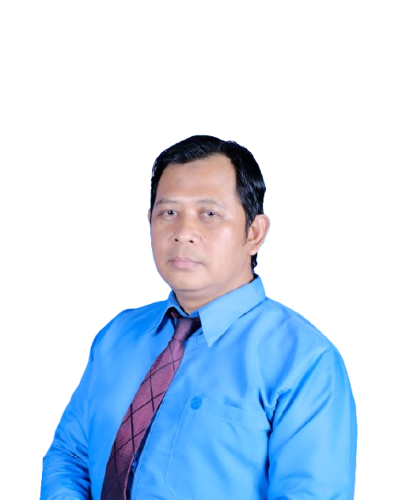
Head of the Master's Program
The Master’s Program in Chemical Engineering (PSMTK) at UNS aspires for the Program to possess specialized and superior capabilities in mastering the field of renewable energy studies based on bio-resources.
Professional
| Learning Outcomes |
|---|
| Able to perform process engineering in the field of conversion and conservation, feasibility analysis and evaluation, as well as management of renewable energy sources based on bio-resources. |
| Able to identify and solve design problems as well as science and technology problems within their field of expertise through interdisciplinary or multidisciplinary approaches. |
| Able to adapt to new analytical techniques and tools, as well as the ability to communicate and collaborate effectively within interdisciplinary and multidisciplinary scopes. |
Academic
| Learning Outcomes |
|---|
| Able to perform process engineering in the fields of conversion and conservation, feasibility analysis and evaluation, as well as management of bio-resource-based renewable energy. |
| Able to identify and solve design problems as well as science and technology problems within their field of expertise through interdisciplinary or multidisciplinary approaches. |
| Responsible for their knowledge and profession, ethics and social impact, as well as environmental awareness, in every problem-solving and in the advancement of knowledge through their research. |
| Able to manage research and develop it, so that it benefits society and scholarship, and is able to gain national and/or international recognition. |
Research
| Learning Outcomes |
|---|
| Able to conduct process engineering in the field of conversion and conservation, analysis and feasibility evaluation, as well as management of renewable energy based on bio-resources through research, to produce innovative and tested works. |
| Able to formulate ideas, research findings, and scientific arguments responsibly and based on academic ethics, as well as communicate them through media to the academic community and the wider public. |
| Able to manage, develop, and maintain a network with fellow colleagues within the institution and the broader research community. |
| The graduate is capable of producing scientific works published in national journals and gaining international recognition through scientific presentations or equivalent achievements. |
Entrepreneur
| Learning Outcomes |
|---|
| Able to perform academic validation or studies in the field of renewable energy sources based on biological natural resources to solve problems in society or relevant industries through the development of their knowledge and expertise. |
| Able to adapt to new developments in science and technology, as well as the ability to communicate and collaborate effectively in an interdisciplinary and multidisciplinary scope. |
Birokrat
| Learning Outcomes |
|---|
| Mampu mengidentifikasi dan memecahkan permasalahan perancangan maupun permasalahan sains dan teknologi di dalam bidang keilmuannya melalui pendekatan inter atau multidisipliner. |
| Mampu bertanggungjawab terhadap keilmuan dan profesi, etika dan sosial, serta berwawasan lingkungan, dalam setiap pemecahan permasalahan maupun dalam pengembangan keilmuan melalui riset yang dilakukannya. |
| Mampu menghasilkan karya ilmiah yang dipublikasikan dalam jurnal nasional dan mendapatkan pengakuan internasional berbentuk presentasi ilmiah atau yang setara. |
Konsultan
| Learning Outcomes |
|---|
| Mampu melakukan rekayasa proses di bidang konversi dan konservasi, analisis dan evaluasi kelayakan serta pengelolaan sumber energi terbarukan yang berbasis sumber daya alam hayati. |
| Mampu mengidentifikasi dan memecahkan permasalahan perancangan maupun permasalahan sains dan teknologi di dalam bidang keilmuannya melalui pendekatan inter atau multidisipliner . |
| Mampu bertanggungjawab terhadap keilmuan dan profesi, etika dan sosial, serta berwawasan lingkungan, dalam setiap pemecahan permasalahan maupun dalam pengembangan keilmuan melalui riset yang dilakukannya. |